
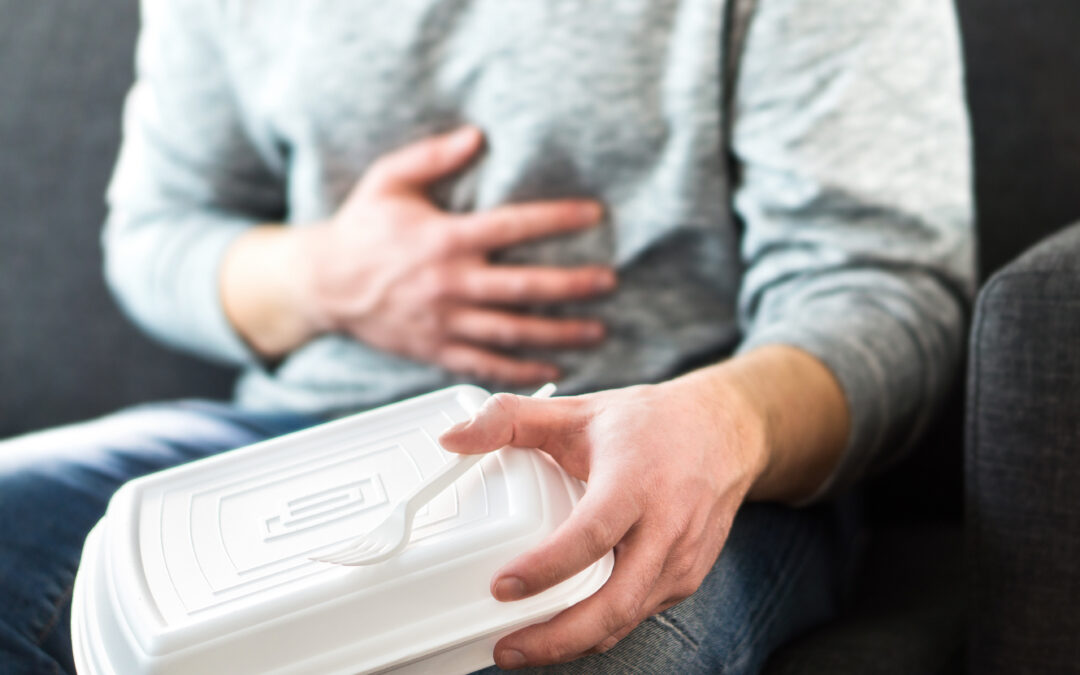
Between family dinners, holiday gatherings and eating out with friends, food is often at the center of fall activities in Gastonia. But nothing puts a damper on a good meal quite like an unexpected bout of food poisoning.
Foodborne illness can happen when food is contaminated with harmful bacteria, viruses or other germs. Symptoms can range from mild stomach discomfort to more serious illness that requires medical attention from AFC Gastonia. Knowing how food poisoning happens, what symptoms to watch for and how to prevent it can help you protect yourself and your family.
What Causes Food Poisoning?
Food poisoning occurs when you eat or drink something contaminated with harmful microorganisms or toxins. Contamination can happen at almost any point, from food preparation and storage to cooking and serving. Some common causes include:
- Undercooked food: Meat, poultry, seafood and eggs that aren’t cooked to a safe temperature can contain harmful bacteria.
- Improper food storage: Leaving perishable foods at room temperature for too long allows bacteria to multiply.
- Cross-contamination: Raw meat juices can spread bacteria to ready-to-eat foods, cutting boards, utensils and countertops.
- Unwashed produce: Fruits and vegetables can carry germs if they aren’t properly washed.
- Poor hand hygiene: Handling food without washing your hands can transfer harmful germs.
Common causes of foodborne illness include Salmonella, E. coli, Campylobacter and norovirus. Symptoms and how quickly they develop depend on the germ responsible.
What Are the Most Common Symptoms of Food Poisoning?
Food poisoning doesn’t always look the same. Some people experience mild stomach upset, while others develop more intense symptoms that make it difficult to go about their day. Common symptoms include:
- Nausea and vomiting
- Diarrhea
- Stomach cramps or abdominal pain
- Fever
- Headache
- General weakness or fatigue
Symptoms may begin within a few hours of eating contaminated food, but some infections take several days or longer to develop. This means the food responsible isn’t always the last thing you ate. Most mild cases improve with time and supportive care. However, persistent vomiting and diarrhea can cause dehydration, which may become a more serious concern.
How Can You Prevent Food Poisoning?
The good news is that many cases of food poisoning can be prevented with a few everyday food-safety habits. Whether you’re preparing dinner at home or bringing a dish to a gathering, keep these tips in mind.
Wash your hands and surfaces. Wash your hands with soap and water before preparing food, after handling raw meat and after using the restroom. Clean countertops, utensils and cutting boards regularly.
Keep raw and cooked foods separate. Use separate cutting boards when possible, and never place cooked food on a plate that previously held raw meat without washing it first.
Cook food thoroughly. Use a food thermometer to make sure meat, poultry, seafood and other foods reach safe internal temperatures. Color alone isn’t a reliable way to determine whether food is fully cooked.
Refrigerate leftovers promptly. Perishable foods should generally be refrigerated within two hours, or within one hour if the temperature is above 90°F. Divide large portions into smaller containers so they cool more quickly.
Wash fresh produce. Rinse fruits and vegetables under running water before eating or preparing them, even if you plan to peel them.
Pay attention to expiration dates and recalls. Check food labels, avoid products that appear spoiled and stay informed about food recalls.
When Should You Seek Medical Care for Food Poisoning?
While many people recover from food poisoning at home, certain symptoms shouldn’t be ignored. It’s important to recognize when stomach symptoms may require an evaluation. Consider seeking care at AFC Gastonia if you experience:
- Diarrhea lasting more than three days
- A high fever, particularly above 102°F
- Frequent vomiting that prevents you from keeping liquids down
- Severe or persistent abdominal pain
- Bloody diarrhea
- Signs of dehydration, such as very little urination, dry mouth or dizziness when standing
Young children, older adults, pregnant people and individuals with weakened immune systems may be more vulnerable to complications from foodborne illness. These individuals should contact a healthcare provider sooner if symptoms develop. Severe dehydration, fainting, confusion or other signs of a medical emergency require immediate attention.
How Can Urgent Care Help With Food Poisoning?
If food poisoning symptoms are interfering with your day or aren’t improving, an AFC Gastonia visit can help you determine what to do next.
An AFC provider can evaluate your symptoms, assess your hydration status and determine whether additional testing or treatment may be necessary. Depending on the cause and severity of your illness, treatment may include guidance on fluid replacement, symptom management or further medical evaluation.
One of the biggest concerns with food poisoning is dehydration. If vomiting or diarrhea makes it difficult to replace lost fluids, getting evaluated can help prevent symptoms from becoming more serious. Remember, antibiotics aren’t necessary for most cases of food poisoning. Treatment depends on the suspected cause, so it’s important to have your symptoms properly evaluated rather than trying to treat every case the same way.
Get Help With Food Poisoning Symptoms at AFC Gastonia
Food poisoning can happen unexpectedly, but knowing how to recognize the symptoms and when to seek care can make a difference in your recovery. If you’re experiencing persistent nausea, diarrhea, vomiting or stomach pain, AFC Gastonia offers convenient medical evaluations for many non-emergency illnesses. Our team can help assess your symptoms and determine the appropriate next steps. Don’t let ongoing stomach symptoms keep you from feeling your best. When food poisoning symptoms become difficult to manage at home, AFC Gastonia is here to help.
Recent Comments